Alpine cross-country cycling
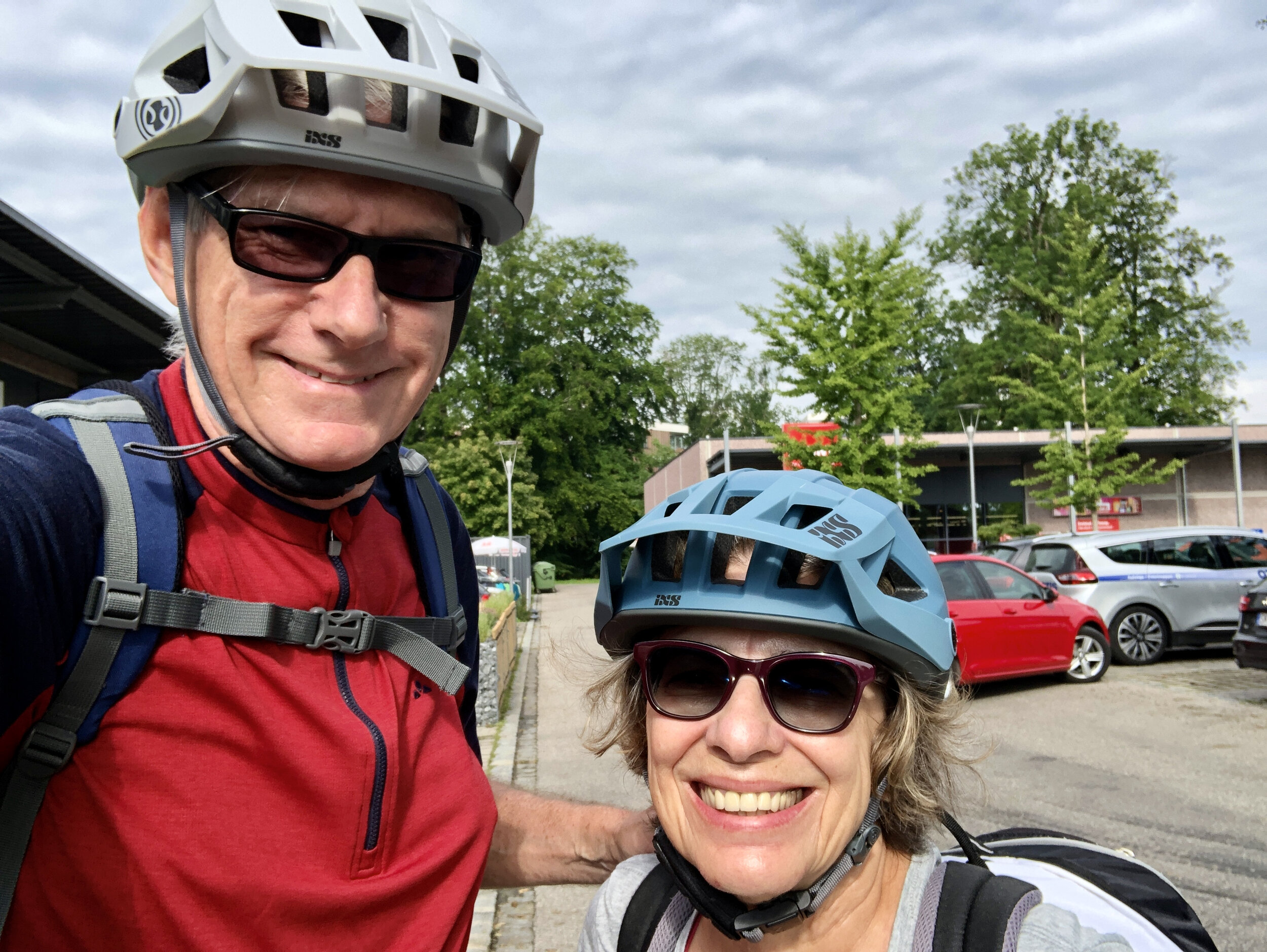
After many months of the pandemic, with lockdowns, closed borders and numerous restrictions, both Gabi and I received our second vaccine dose in July. Now that infection rates are low in most countries, we decided to go ahead with our long-planned cycle tour across the Alps. We were really looking forward to it after such a long period of ‘isolation’.
Gabi has much more experience of various types of ‘Alpine cross’, both by bike and on foot. Over the last few years, she has crossed the Alps via different routes four times. Now it was time for her fifth trip and, for me, my first.
Gabi had already hiked the route through the Inn Valley, the Ziller Valley and over the Pfitscherjoch Pass down into Italy to the beautiful little town of Vipiteno (or Sterzing, as the German-speaking locals call it). She raved about the beautiful landscape, the lovely trails and the well-developed cycle paths. You have to take a bus or taxi for a short stretch, which I, as a rookie, thought was fine. Just the ten-kilometre-long hiking trail from the Schlegeisspeicher reservoir up to the Pfitscherjoch Pass would probably be tough enough. But on the other side of the pass, there’s an excellent gravel and tarmac road through the Pfischer Valley down to Sterzing/Vipiteno. A wonderful downhill stretch of about 3 mil. It sounded tempting.
We set off from our home in Kolbermoor/Germany and cycled in lovely weather to the River Inn, which we then followed southwards to the Austrian border and the town of Kufstein, where we had a light lunch. On excellent cycle paths, we continued through the Inn Valley to the village of Radfeld to spend the night at a small guesthouse. A distance of 72 km.
On the second day, we took it easy as we only had a 4 mil ride up through the Zillertal valley to the tourist resort of Mayrhofen. The weather was fantastic and we enjoyed a leisurely cycle with plenty of breaks to admire the beautiful Tyrolean countryside.
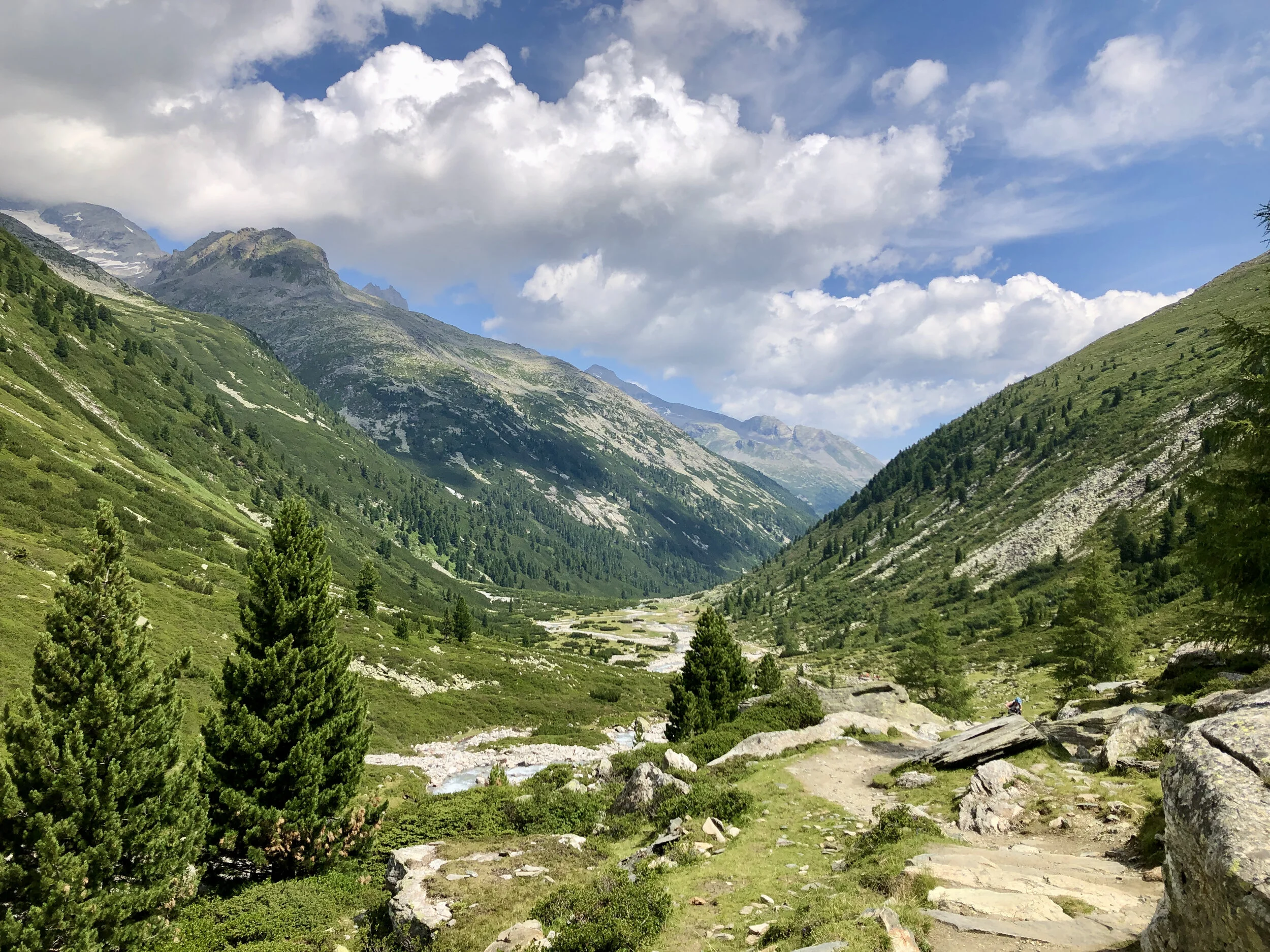
Day three was the challenging day as we set out to cross the mountain pass into Italy. We took a pre-booked taxi up to Schlegeissspeicher (you can’t cycle that route as it goes through many dark tunnels). At the lake, we mounted our bikes and hoped to make good progress along the footpath. However, it turned out that the route was very gruelling and it was largely impossible to cycle. But the scenery was magnificent and incredibly beautiful. We had to push and carry the bikes most of the way right up to the pass. When I checked my cycling app, I saw that we’d pushed and carried the bikes up 600 metres in altitude (roughly the height of five Uppsala Cathedrals). It took a long time and we were pretty knackered when we finally spotted the Italian boundary stone after just over three hours. I really can’t recommend that stretch by bike.
As the afternoon was well underway and some ominous dark clouds were visible on the western horizon, we skipped our lunch break at the “Pfitscherjochhaus” chalet. We put on our windcheaters to whizz down into the valley along an excellent gravel track that later turned into tarmac. It turned out to be thirty wonderful km of downhill cycling through one of the Alps’ most beautiful and remote valleys (Pfischertal). Happy and safe, we arrived in Sterzing/Vipiteno and checked into a lovely hotel right in the middle of the pedestrianised street in this old and cosy little town.
The next day, we travelled home by train, feeling happy after an eventful and challenging cycling adventure. I’d certainly like to cycle across the Alps once more, but take a different route next time.
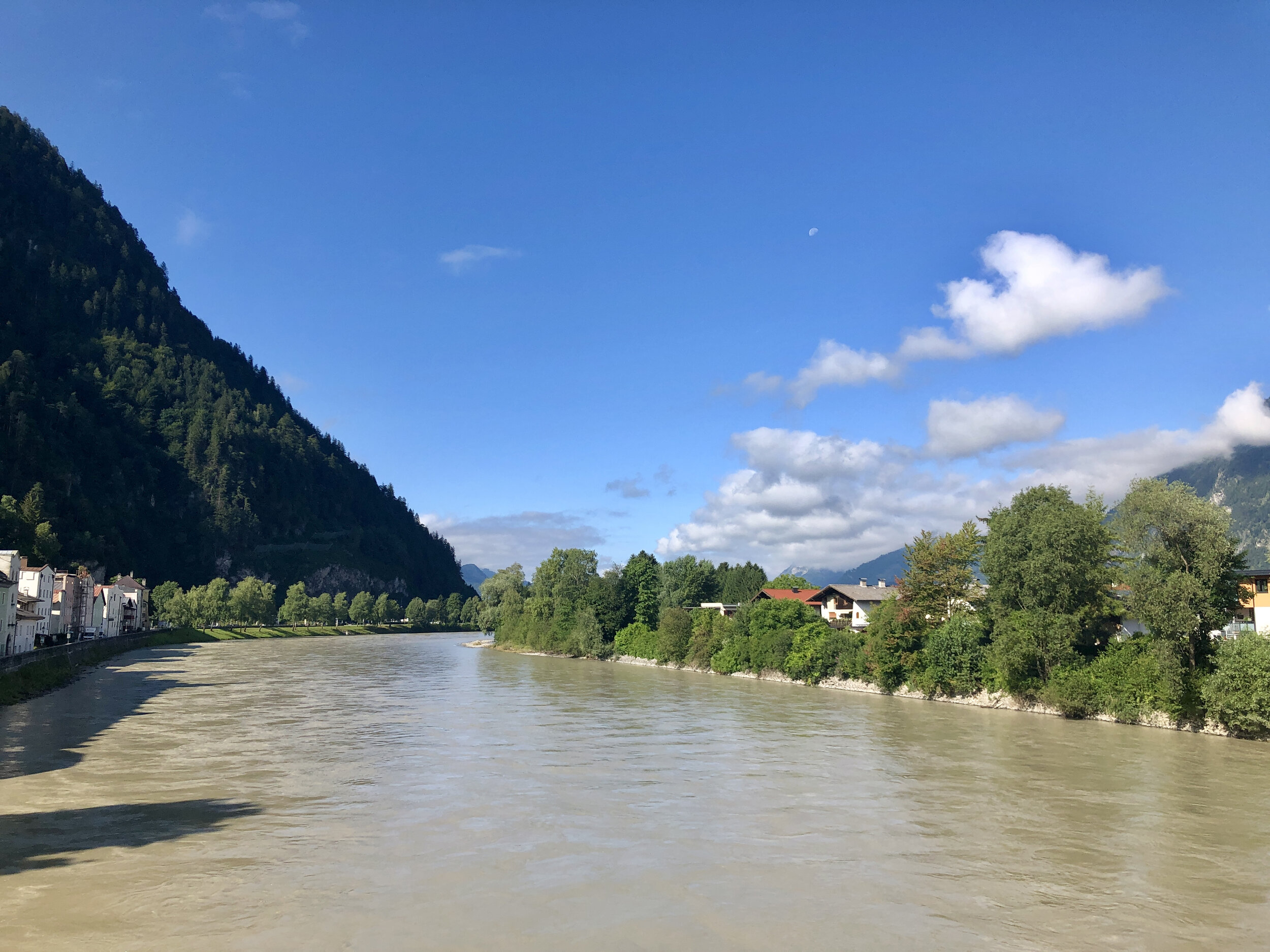
Floden Inn
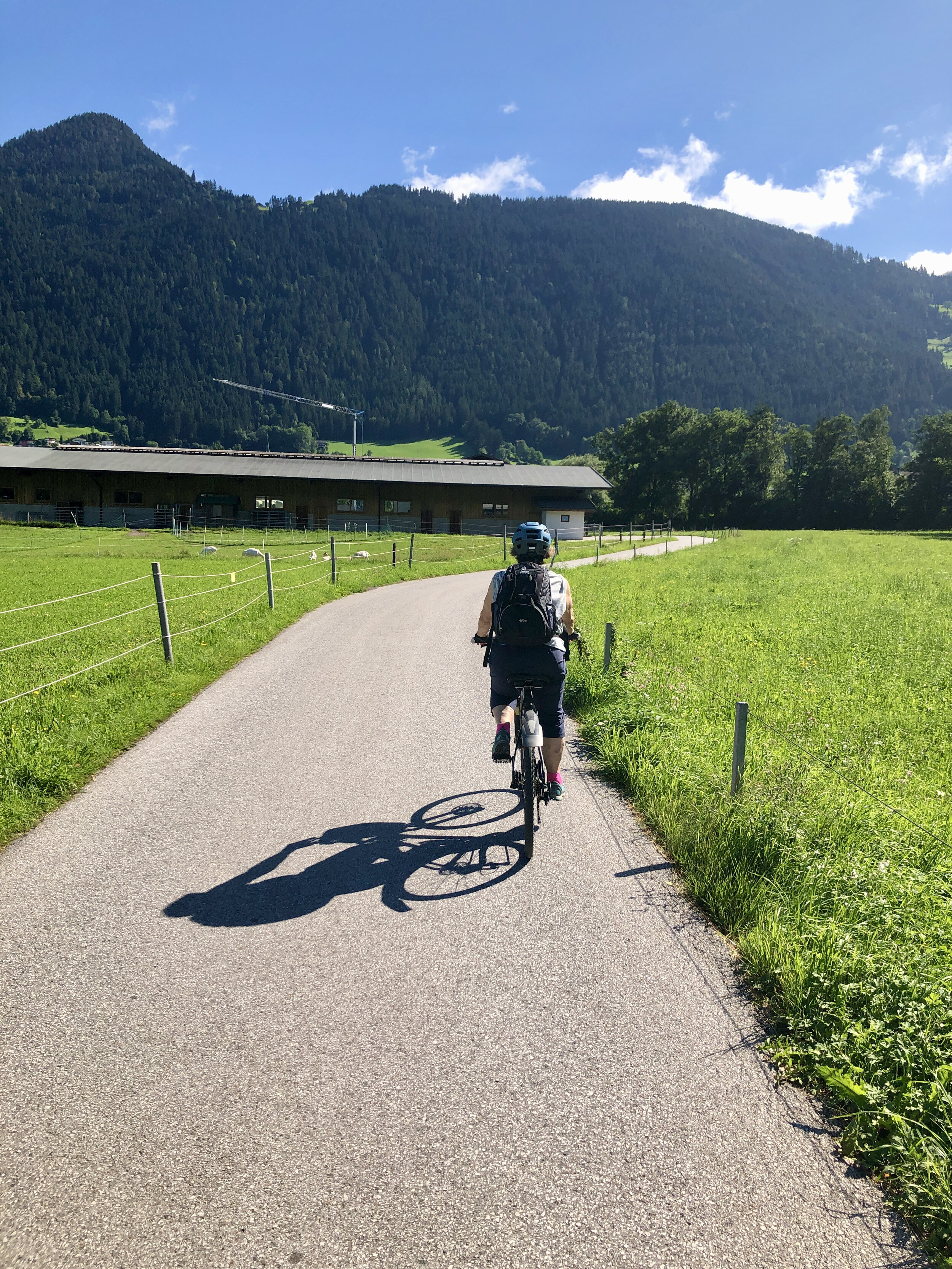
Zillerdalen
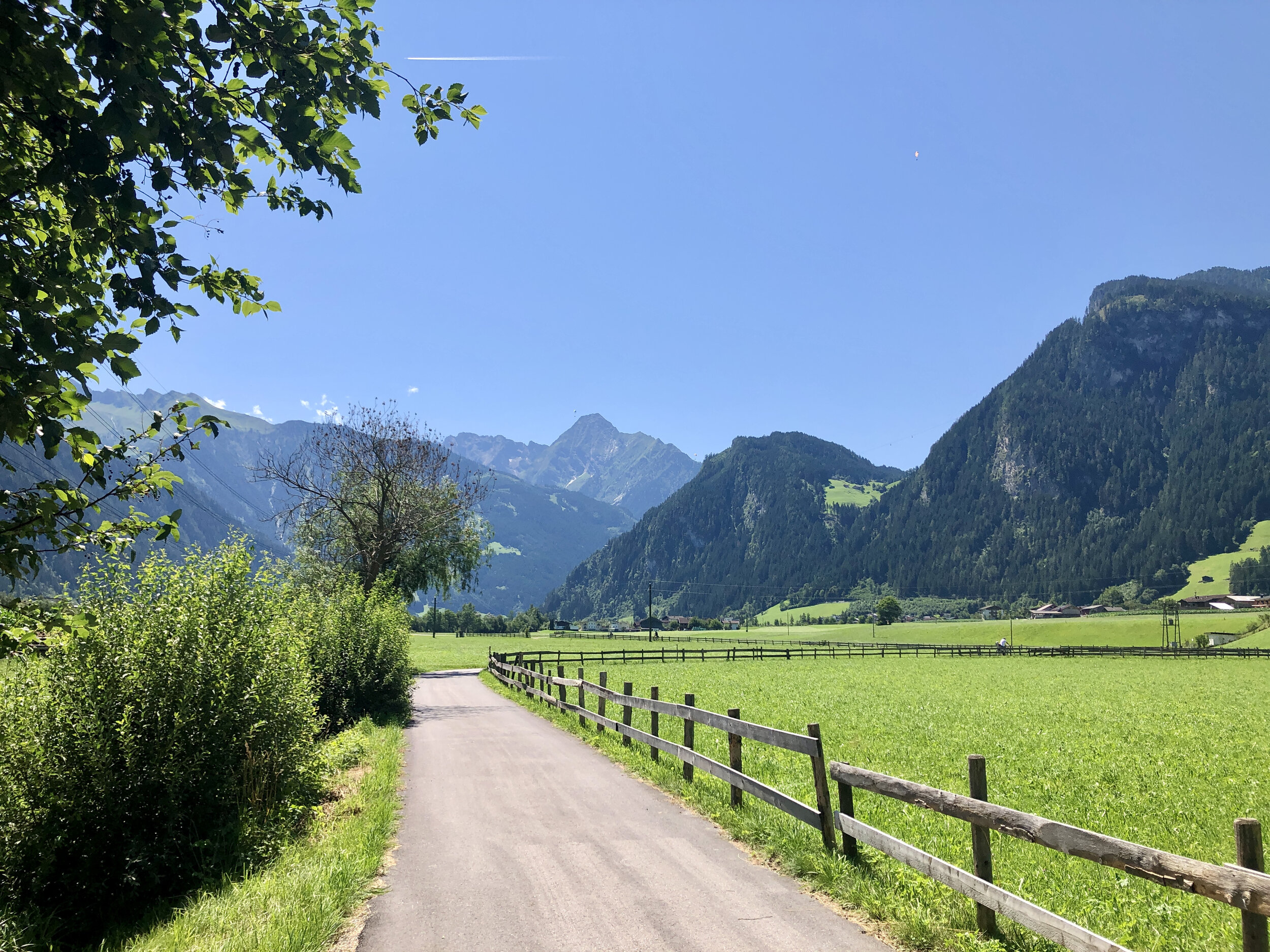
Zillerdalen
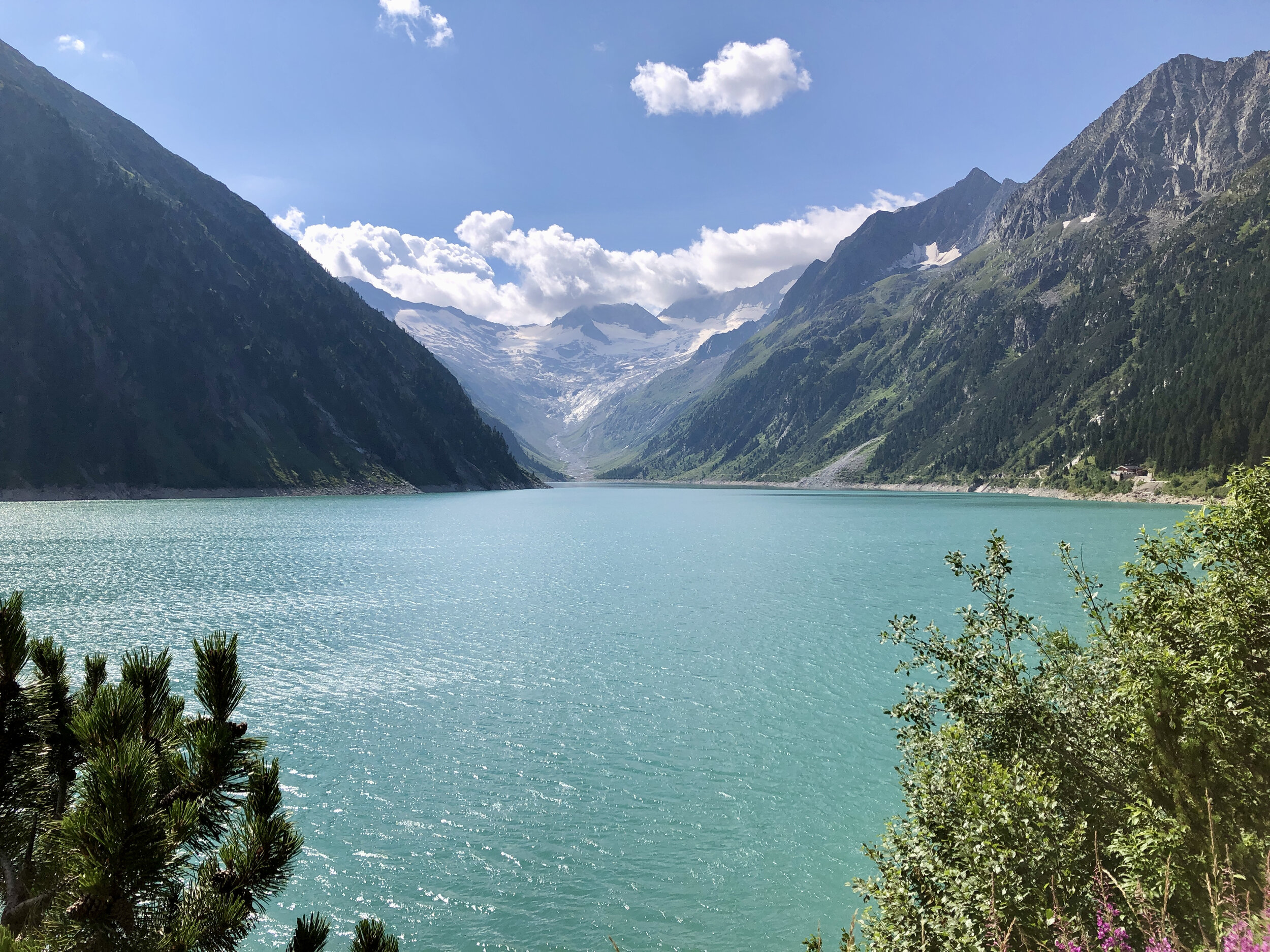
Reservoaren Schlegeisspeicher
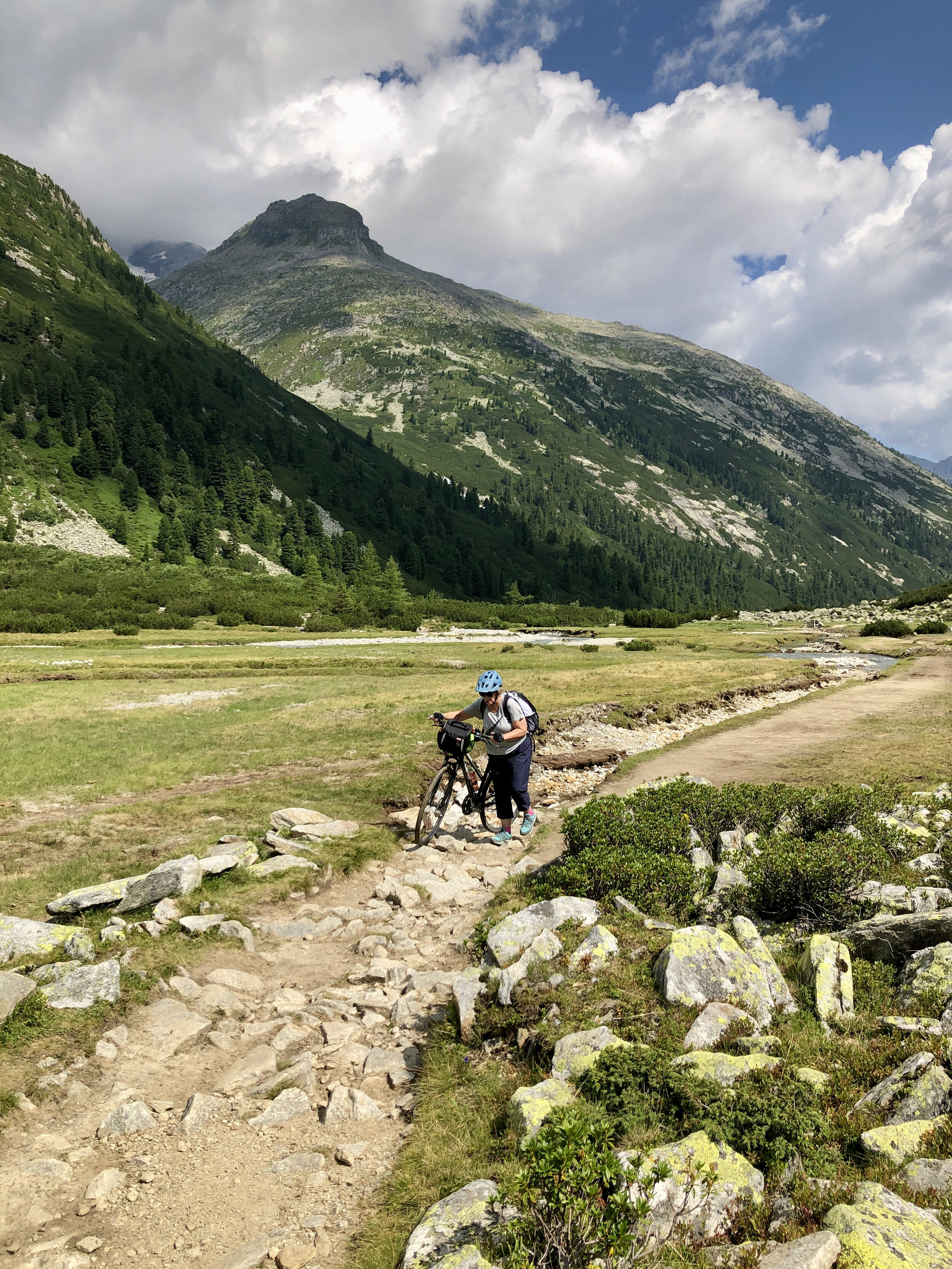
På väg upp mot passet Pfischerjoch
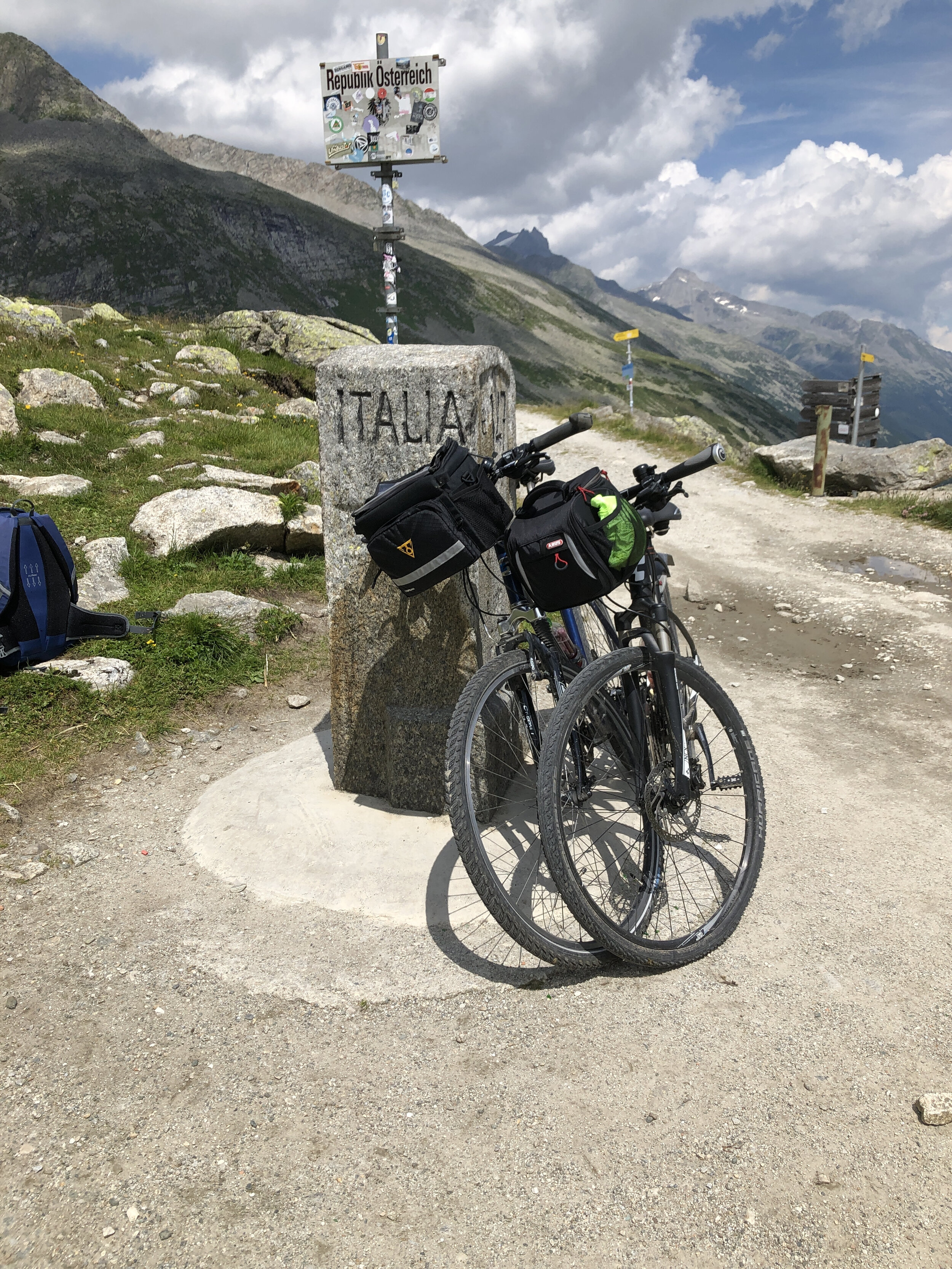
Italienska Gränsen
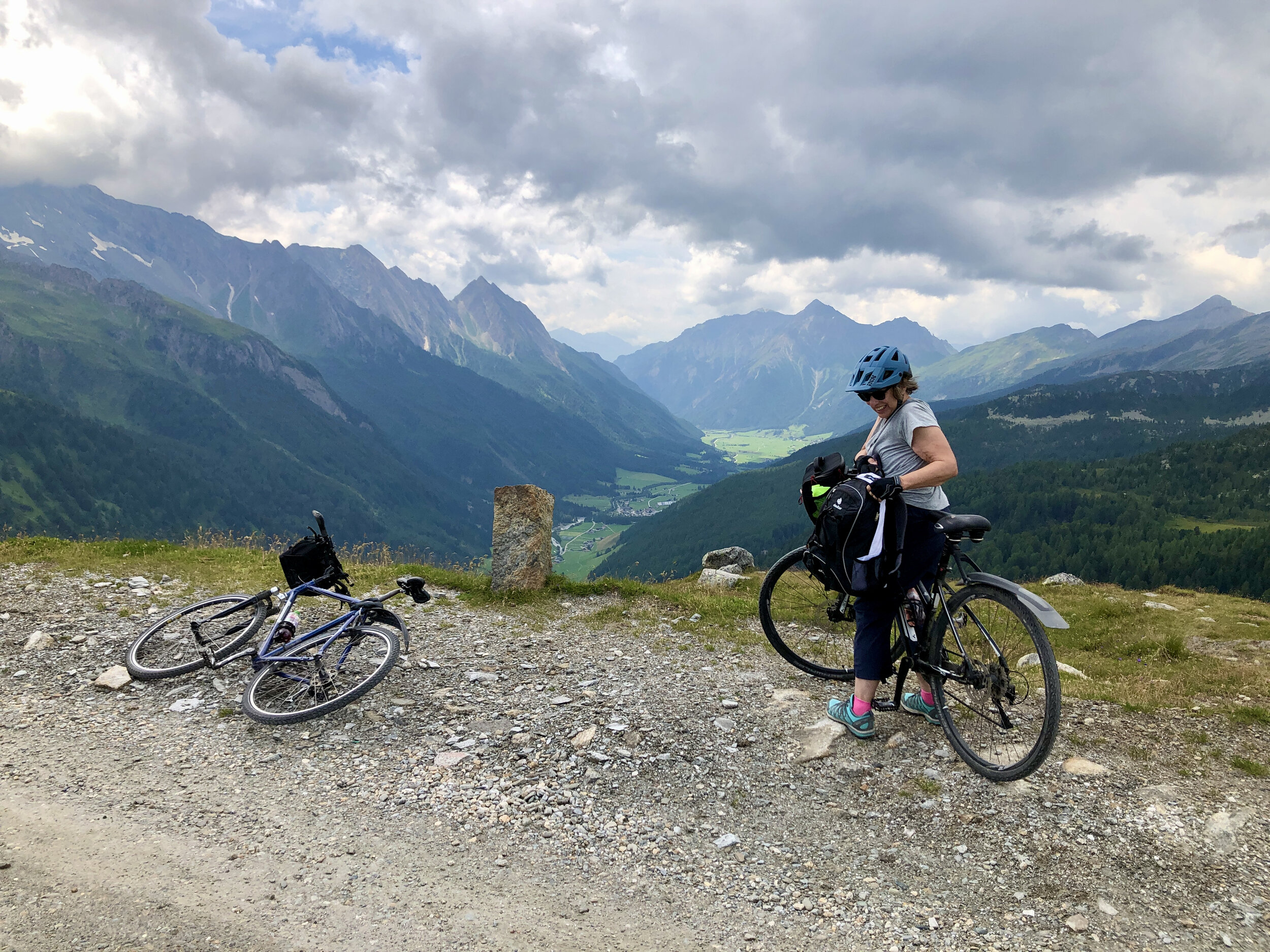
Utsikten ner i Pfischerdalen
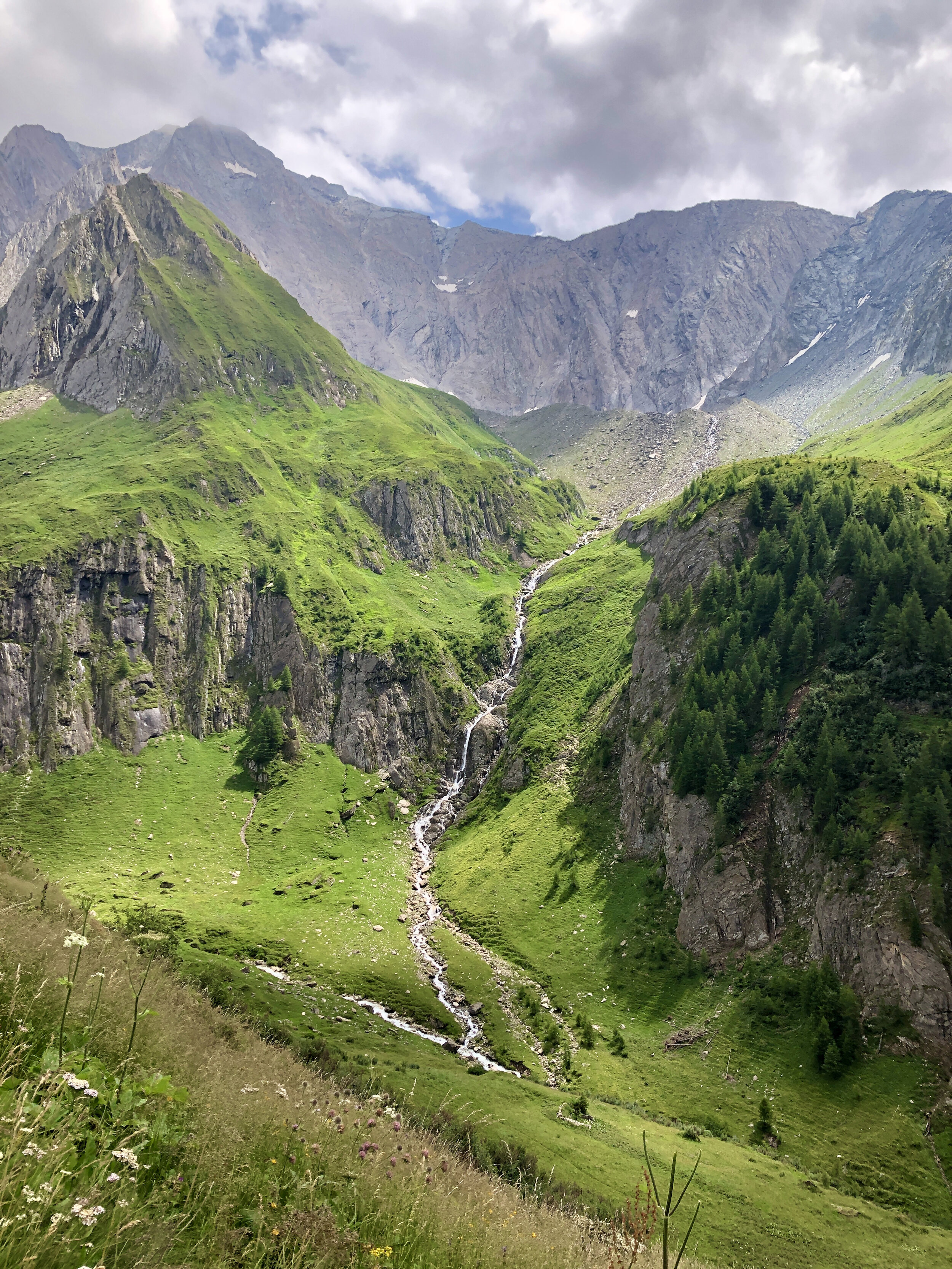
Vacker natur
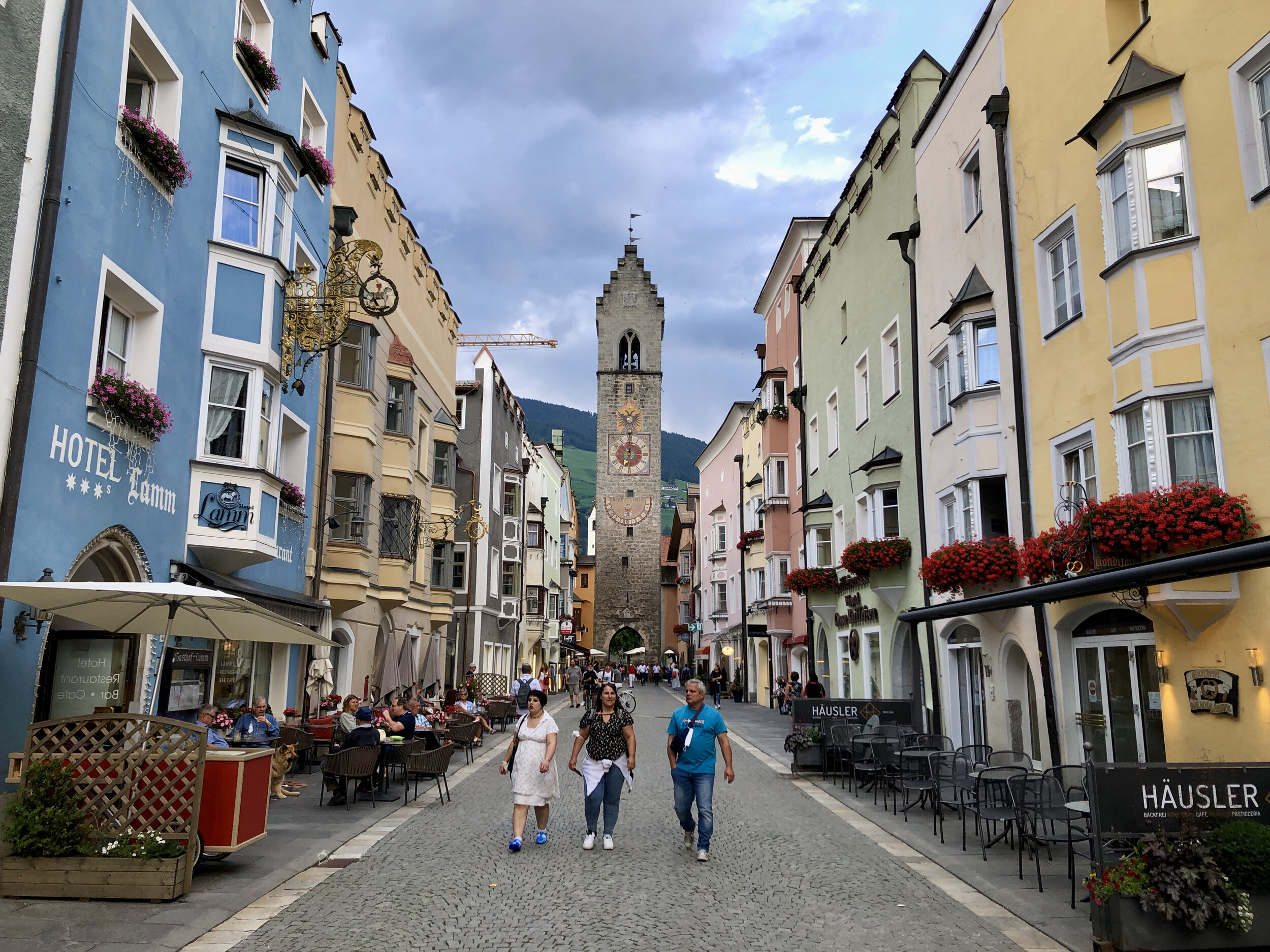
Målet Sterzing